

Start
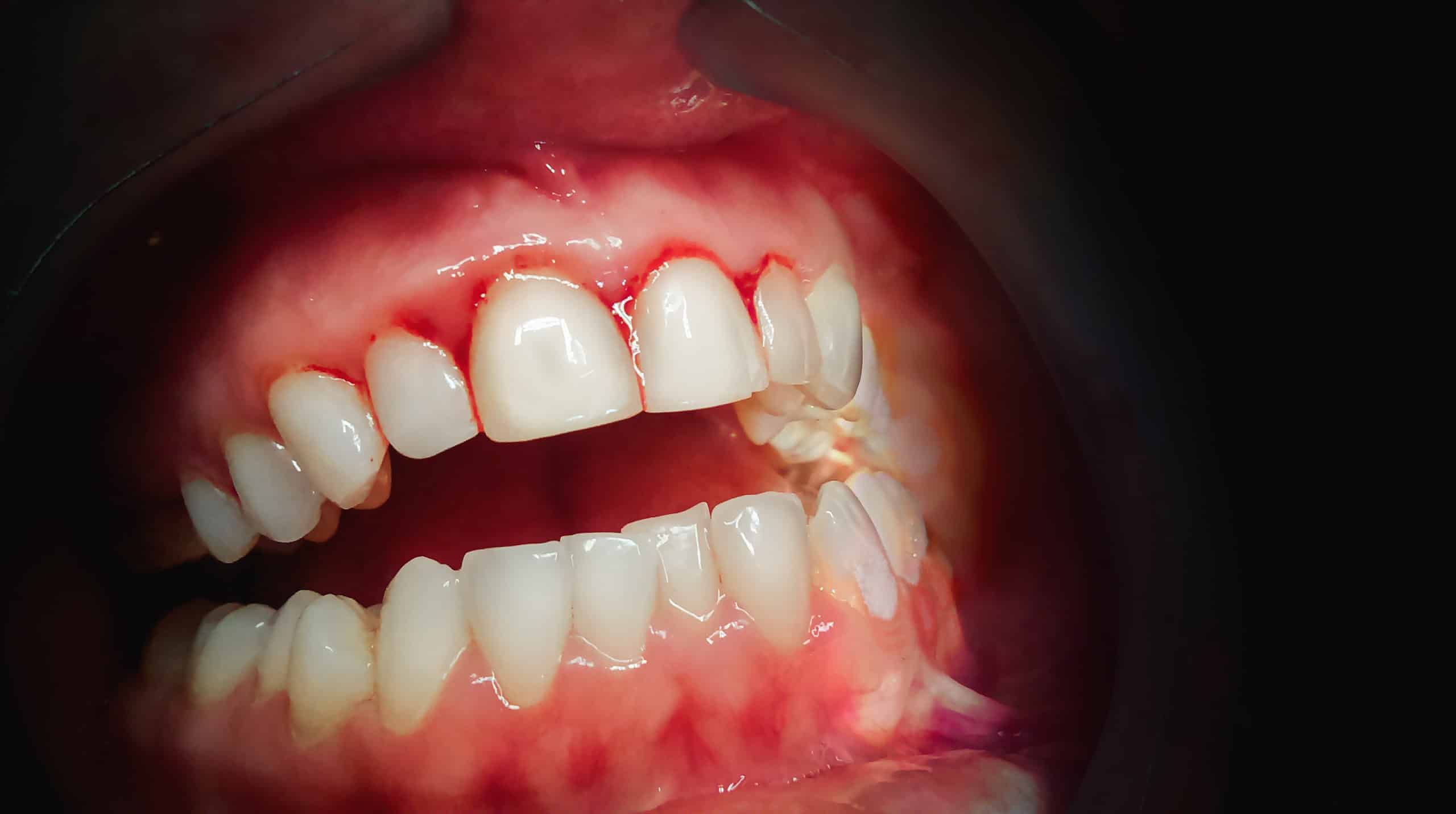
Many people have bleeding gums at some point in their lives. It’s a common but worrying oral health problem. Seeing blood when you brush or floss may not seem like a big deal at first, but it usually means there is a problem that needs to be fixed. If you don’t take care of your bleeding gums, they could get worse and cause gum disease, an infection, or even lose a tooth. There are many safe and effective ways to take care of bleeding gums at home and make your gums healthier overall. This article talks about the main reasons why gums bleed, how to treat them naturally, and when you should see a doctor.
Bleeding Gums: What Causes It?
There are many reasons why gums bleed, and knowing the reason is the first step toward getting the right treatment. Brushing or flossing too hard or not at all can irritate the gums. Gingivitis, a mild form of gum disease caused by plaque building up along the gumline, is the most common cause. Other reasons could be not getting enough vitamins, changing hormones, smoking, stress, or using a toothbrush with hard bristles. In some cases, diabetes and some medicines can also make bleeding worse. Knowing what’s wrong with you can help you choose the best home remedy and decide if you need to see a dentist.
How important it is to keep your mouth clean
The best and easiest way to stop your gums from bleeding is to keep your mouth clean. Flossing and brushing your teeth twice a day gets rid of plaque that makes your gums hurt. Using a toothbrush with soft bristles is important because it won’t hurt the delicate gum tissue. A lot of people don’t floss because they’re afraid of bleeding, but flossing regularly can actually help reduce inflammation over time. Using mouthwash that kills germs also helps heal and get rid of bacteria. When you make brushing your teeth a daily habit, your gums will bleed less and your overall gum health will get better.
Saltwater rinse for soothing relief
One of the best home remedies for bleeding gums is to rinse them with warm salt water. Salt naturally lowers swelling and kills bad bacteria in the mouth. Mix half a teaspoon of salt into a glass of warm water to make the rinse. Swish it around for 30 seconds. Doing this two or three times a day can make your gums much healthier. Saltwater also helps with healing, swelling, and irritated tissues. This easy fix is safe, cheap, and can be used every day.
Cold compress to stop swelling and bleeding
A cold compress can help reduce swelling and stop gum bleeding for a short time. Put an ice pack or a cold cloth on the outside of your cheek near the area that hurts for 10 to 15 minutes. This method narrows the blood vessels, which slows down bleeding and lowers inflammation. Cold compresses work best when the bleeding is caused by an injury or irritation from brushing too hard. It’s a quick and natural way to ease symptoms while the gums heal from inflammation.
Getting more vitamin C for stronger gums
Vitamin C is very important for keeping your gums healthy. A lack of it can make the tissues in your gums weaker and more likely to bleed. Adding foods high in vitamin C, like oranges, strawberries, kiwi, and broccoli, to your diet can make your gums stronger and help them heal faster. People who have trouble getting enough vitamin C from food alone can also benefit from taking vitamin C supplements. This vitamin helps the body fight plaque bacteria, boosts the immune system, and lowers inflammation. One of the best long-term ways to make your gums healthier is to get more vitamins.
Using Natural Antibacterial Remedies in Your Home
There are many natural ways to fight bacteria and stop your gums from bleeding. When mixed with water, tea tree oil becomes a powerful antibacterial mouthwash. You can put aloe vera gel right on your gums to calm them down. Turmeric paste is another good treatment because it has curcumin in it, which is an anti-inflammatory and antibacterial substance. These natural ingredients help heal gums, reduce plaque, and calm irritation. To avoid irritation, they should always be used carefully and in a diluted form.
Not using tobacco or smoking
One of the main causes of gum disease and bleeding gums is smoking. Tobacco makes the gums hurt, slows down blood flow, and makes it harder for the body to fight off infections. People who smoke are much more likely to have serious gum problems and heal slowly. One of the best things you can do for your gums is to stop smoking. Even cutting back on smoking can help lower inflammation and stop bleeding. For the health of your teeth and gums in the long run, you should stay away from tobacco products.
How to Choose the Right Toothbrush and Brush
Using the wrong toothbrush or brushing too hard can make your gums bleed without you even knowing it. The safest choice is a toothbrush with soft bristles because it cleans well without hurting the gums. Brushing in small circles is better at getting rid of plaque than scrubbing back and forth. Electric toothbrushes can also be useful because they put the same amount of pressure on your teeth every time. Changing your toothbrush every three months keeps bacteria from building up and makes sure it cleans well. Brushing your teeth the right way is important for keeping your gums healthy in the long term and stopping them from bleeding.
When your gums bleed, it could mean you have gum disease.
Bleeding gums that happen often or don’t stop are a common sign of gum disease. Gingivitis is the first stage, and it makes your gums red, swollen, and bleed when you brush or floss. Gingivitis can get worse and turn into periodontitis, which is a more serious condition that hurts bone and gum tissue. Periodontitis can make your teeth loose, cause infections, and even make you lose teeth. Recognizing early signs can help keep the condition from getting worse. If home remedies don’t stop the bleeding within a week, you need to see a dentist.
When to Go to the Dentist
You can treat a lot of bleeding gums at home, but some cases need the help of a doctor. You need to see a dentist if the bleeding is bad, lasts more than a week, or is accompanied by swelling, bad breath, or loose teeth. These signs mean that your gums are in worse shape and need to be cleaned or treated by a professional. Dentists can get rid of hardened plaque, treat infections, and give you advice that is specific to you. If you don’t get treatment for bleeding that won’t stop, it could lead to more serious dental problems. That’s why it’s important to get care right away.
In conclusion
Bleeding gums can be scary and painful, but you can take care of them safely at home if you know how. Taking care of your teeth and gums, using home remedies like saltwater rinses and cold compresses, getting more vitamin C, and living a healthy lifestyle all help make your gums stronger. If you have mild bleeding, home remedies can help, but you should never ignore bleeding that doesn’t stop. Taking care of your teeth early on keeps gum disease from happening and keeps your mouth healthy for a long time. You can strengthen your gums, lower inflammation, and protect your smile with the right care and knowledge.
Questions and Answers
Q1: Is it normal for your gums to bleed when you brush?
No. Bleeding gums are usually a sign of irritation or early gum disease.
Q2: Can flossing make your gums bleed?
Yes, but if you floss every day, your gums will get healthier and the bleeding will stop.
Q3: How long does it take for home remedies to work?
If they get consistent care, most people see improvement in a few days.
Q4: If my gums are bleeding, should I not brush?
No. Continue brushing gently with a soft-bristled toothbrush.
Q5: Can stress make your gums hurt?
Yes. Stress makes the immune system weaker, which makes gums more likely to get inflamed.
Q6: When should I see a dentist?
If the bleeding doesn’t stop after a week or is painful or swollen.