

Beginning
Gum disease is one of the most common dental problems in the world, but most people don’t notice it until it gets really bad. It starts slowly and quietly, often without pain, and slowly hurts the gums and the bone that holds your teeth in place. If you don’t take care of your gums, they can get swollen, your teeth can become loose, and you can get infections that can even cause you to lose teeth. You can protect your smile by knowing how to spot the signs, stages, and ways to avoid them. This article tells you everything you need to know in a clear and professional way.
What Gum Disease Really Is
Periodontal disease, also known as gum disease, is an inflammatory condition that is caused by bad bacteria in plaque. Plaque that builds up on teeth and gums can irritate the gums and cause an infection. This infection slowly destroys the fibers and bone in the gums that hold teeth in place. Gum disease doesn’t happen all at once. It gets worse over time and when you don’t brush your teeth every day or wait too long to see a dentist.
Signs of a problem that you should never ignore
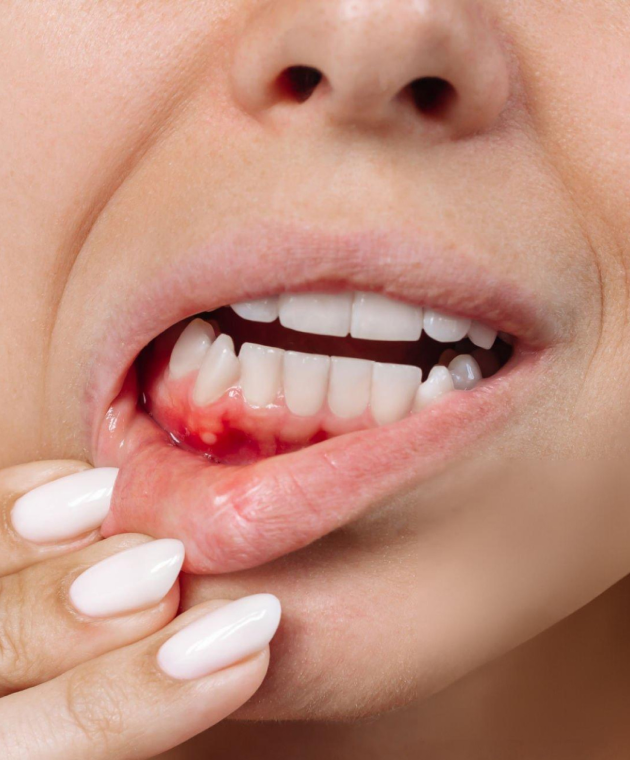
The first signs of gum disease are mild and easy to miss. Bleeding gums, especially when brushing or flossing, are the first sign. A lot of people think that bleeding gums are normal, but they aren’t. Other early signs are swollen gums, bad breath, redness, and pain around the gum line. You might also taste something metallic in your mouth. If you see these signs often, it means that plaque bacteria are bothering your gums, and you need to see a doctor right away to stop the disease from getting worse.
The different stages of gum disease, from mild to severe
Gum disease progresses in stages, commencing with mild irritation and culminating in severe damage. The first stage is gingivitis, when the gums get inflamed but the bone hasn’t started to break down yet. If you brush, floss, and get professional cleaning, you can completely reverse this stage. The second stage is early periodontitis, when the gums start to pull away from the teeth, creating pockets that hold bacteria. There may also be some mild bone loss. The third stage is moderate periodontitis, which means that the pockets get deeper and more bone is lost. Advanced periodontitis is the last stage of the disease. It happens when the infection damages the bone so badly that the teeth become loose and it hurts to chew. At this point, treatment gets harder, and losing teeth is more likely.
Big Reasons and Things to Watch Out For
Plaque is the main cause of gum disease, but there are other things that can make you more likely to get it. The biggest risk factor is smoking, which makes the immune system weaker and cuts off blood flow to the gums. Not brushing your teeth regularly or not flossing can also make gum infections happen faster. Other things that can raise your risk are diabetes, stress, hormonal changes in women, genetics, some drugs, and a weak immune system. People who have dry mouths or teeth that are too close together are also more likely to get plaque. Knowing these causes can help you take specific steps to avoid them.
What gum disease does to your health in general
Gum disease doesn’t just hurt your mouth; it hurts your whole body. Studies show that bacteria from infected gums can get into the bloodstream and cause major health issues. Some of these are heart disease, complications from diabetes, respiratory infections, and even problems with pregnancy, like giving birth too soon. Gum disease can also cause long-term inflammation that makes your immune system weaker. This is why dentists always stress the importance of prevention. Not only do healthy gums make you smile, but they are also good for your health.
How to Keep Your Gums Healthy
If you take care of your teeth and gums regularly, it’s easy to avoid gum disease. Brushing your teeth twice a day with a soft-bristled toothbrush and fluoride toothpaste is the first step. Brush gently along the gum line to get rid of plaque without hurting the tissue. Flossing every day is just as important because it gets rid of plaque between teeth that brushes can’t reach. You should also use an antibacterial mouthwash to kill harmful bacteria. You need to go to the dentist every six months for a checkup and cleaning to get rid of hardened plaque. Not smoking, controlling diabetes, drinking a lot of water, and eating a balanced diet are also good ways to keep your gums healthy and strong.
Professional Ways to Treat Gum Disease
Dentists have different treatments for gum disease depending on how bad it is. Scaling and root planing is the most common procedure. It is a deep cleaning that gets rid of plaque below the gum line and smooths out the tooth roots so that the gums can reattach. Dentists may give antibiotics to people with moderate cases to keep infections from spreading. In more serious cases, surgery like flap surgery, bone grafting, or gum grafting may be needed to replace missing tissue and bone. Routine dental visits are important because early treatment always leads to better results.
In conclusion
You can avoid, control, and treat gum disease if you catch it early. You can take charge of your gum health before it gets worse if you know what its symptoms are, what stages it goes through, and what causes it. Brushing, flossing, and going to the dentist regularly are the most important things you can do to avoid problems. It is important to always protect your gums because they are important for your teeth and your overall health. Simple things you do every day can make a big difference in how long your smile lasts.
Questions and Answers
Q1: What is the first thing that happens when you have gum disease?
Bleeding gums when you brush or floss are the first sign. Gums that are healthy don’t bleed.
Q2: Can gum disease be fixed?
Yes, gingivitis, which is the first stage, can be completely reversed with good oral hygiene and professional cleaning.
Q3: Can gum disease make you lose teeth?
Yes. Gum disease destroys the bone that holds your teeth in place in the later stages, which can cause teeth to become loose and fall out.
Question 4: How often should I go to the dentist to keep my gums healthy?
You should get a checkup every six months, but if you have gum problems, you might need to go every three to four months.
Q5: Does having gum disease make your breath smell bad?
Yes. Bacteria that get stuck in gum pockets let off bad smells, which makes bad breath last.
Q6: Can smoking make gum disease worse?
Yes, for sure. The biggest risk factor is smoking, which speeds up the disease’s progression.