

Beginning
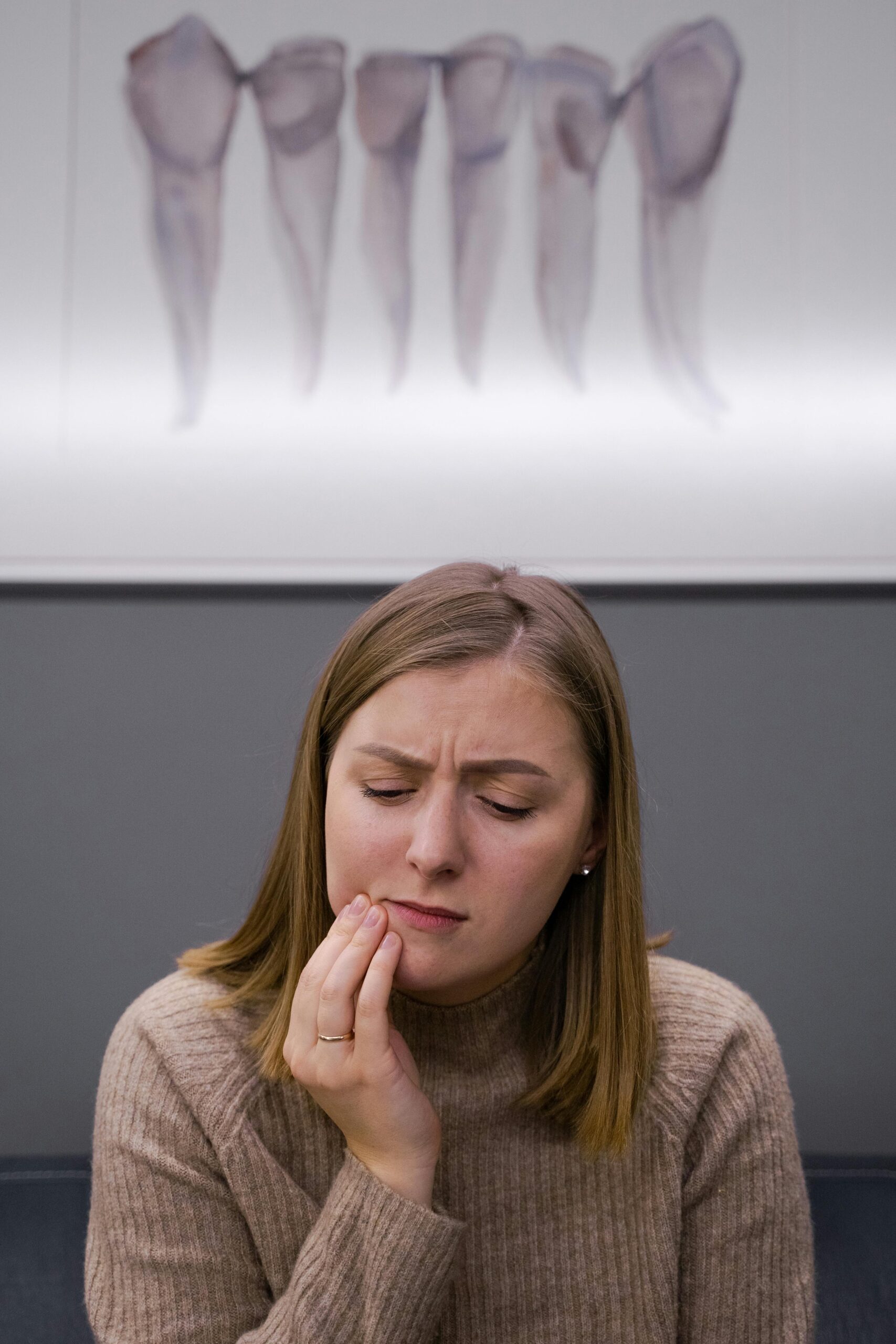
A toothache is one of the most painful and uncomfortable problems that can happen with teeth. It can hit you out of the blue, keep you from sleeping, make you lose your appetite, and make even simple tasks seem hard. Pain in your teeth is often a sign of a problem like an infection, decay, sensitivity, or an injury. The best long-term solution is to see a dentist, but there are a number of simple and effective home remedies that can help ease the pain for a short time. This article talks about what causes toothaches, how to deal with them at home, and when you need to see a dentist.
What Causes Toothaches Most Often
There are many dental problems that can cause a toothache. Tooth decay is the most common cause. It makes small holes in the enamel that expose nerves. When the gums get swollen or infected, gum disease can also hurt. Other common causes are sensitive teeth, cracked teeth, wisdom teeth that are stuck, and fillings that are loose. Sinus infections can sometimes make pressure that feels like tooth pain. Finding out what is causing the pain is important because it helps you pick the best treatment and stops the problem from getting worse.
What toothache pain feels like and why it happens
Toothache pain can be mild and annoying or very sharp, intense, and unbearable. You might feel throbbing, swelling, pain when you bite, or sensitivity to hot or cold foods. The pulp, which is the inner layer of the tooth, has nerves and blood vessels in it, which is why this hurts. When this area gets irritated or inflamed, the nerves send strong pain signals to the brain. Things like infections, pressure, and changes in temperature can make the irritation worse. Knowing what kind of pain you’re in helps you act quickly and pick the right home remedy.
Saltwater Rinse for Quick Relief
A warm saltwater rinse is one of the easiest and best ways to get rid of a toothache. Saltwater is a natural disinfectant that can help reduce swelling, inflammation, and bacteria in the mouth. You only need to add half a teaspoon of salt to a glass of warm water. Swish it around in your mouth for 30 seconds, then do it again a few times a day. This rinse can help clean the area and ease the pain, giving your tooth time to heal from a small infection or irritation.
Put a cold compress on to help with swelling.
Putting a cold compress on the area is a great way to numb it and reduce swelling. This treatment works best when tooth pain is caused by an injury, swollen gums, or a swollen face. Put ice in a soft cloth and hold it against the side of your cheek that hurts for 15 to 20 minutes. Do this again every few hours as needed. The cold slows down blood flow, which helps with swelling and pain. This method is safe, natural, and works quickly when the pain is bad.
Clove oil can help with pain naturally.
People have used clove oil as a natural way to ease toothaches for hundreds of years. It has a chemical in it called eugenol that works as a natural painkiller and germ killer. To use clove oil, dip a cotton ball in it and gently place it on the tooth or gum area that hurts. You can also mix it with a little coconut or olive oil to keep it from bothering you. Clove oil helps for a short time by numbing the nerve and stopping the growth of bacteria. It is one of the best natural ways to ease dental pain at home.
How to Use Garlic as a Natural Antibiotic
Garlic is another strong home remedy that can help with tooth pain. It has allicin in it, which is a natural antimicrobial that helps fight infections. To make a paste, crush a garlic clove and put it directly on the area that hurts. If you can handle the strong taste, you can also chew on a fresh clove. Garlic can help with pain from tooth decay or gum infection by lowering bacteria and inflammation. It might not smell good, but it’s a very good natural treatment.
Warm Peppermint Tea Compress to Relieve Pain
People know that peppermint tea can help them relax and calm down. A warm peppermint tea bag can help numb the area and make it less painful. Let the tea bag cool down a little bit after making the tea. Put it on the sore tooth or gums for a few minutes. The menthol in peppermint is a natural anesthetic. You can also drink the tea to help you relax even more. This treatment is safe and gentle, so it’s great for people with sensitive gums or mild pain.
Using hydrogen peroxide to rinse to stop infections
A diluted hydrogen peroxide rinse can help lower the amount of bacteria that cause infection and inflammation. Combine three percent hydrogen peroxide and water in equal parts. Gently swish the mixture around in your mouth for 20 to 30 seconds, then spit it out. Don’t eat it. This rinse helps get rid of plaque, kill germs, and treat gum infections that hurt your teeth. It works best when the toothache is accompanied by swelling or bad breath. To avoid irritation, always make sure the solution is properly diluted.
Quick relief with over-the-counter pain medications
Home remedies don’t always work, especially when the pain is bad. Ibuprofen and acetaminophen are two over-the-counter drugs that can help with pain and swelling until you can see a dentist. These drugs work quickly to ease pain and make it easier to eat, sleep, or get things done. Always take the right amount of medicine, and don’t take more than one painkiller at a time without talking to a doctor first.
When a toothache is an emergency
You can’t treat all toothaches at home. If the pain lasts more than two days, gets worse, or comes with a fever, swelling, or trouble swallowing, you should see a dentist right away. These symptoms point to a more serious infection that may need antibiotics or dental care. If you have a toothache because of deep decay, broken teeth, or abscesses, you need to see a dentist. If you wait too long to get treatment, the infection could spread and cause more problems.
In conclusion
A toothache is never fun, but home remedies can help you feel better quickly and effectively until you can see a dentist. Finding out what is causing the pain, using natural remedies like saltwater, clove oil, and cold compresses, and taking over-the-counter painkillers when necessary can help you feel better. But you should never ignore a toothache for too long. Getting treatment early keeps problems from happening and keeps your mouth healthy. You can safely deal with toothache pain and avoid long-term damage if you take care of your teeth and act quickly.
Questions and Answers
Q1: Is it possible to get rid of a toothache for good at home?
No. Home remedies only help for a short time. You need to see a dentist for permanent treatment.
Q2: How long should I wait to see a dentist?
If the pain lasts longer than 48 hours or gets worse, you should see a dentist right away.
Q3: Does clove oil really help with tooth pain?
Yes. Eugenol in clove oil numbs the nerves and makes pain less severe.
Q4: Why does my tooth hurt more at night?
When you lie down, blood flows more easily to the head, which makes pain and swelling more noticeable.
Q5: Do cavities always cause toothaches?
Not all the time. Pain can also come from gum disease, sensitivity, cracked teeth, and sinus infections.
Q6: Can ice make tooth pain worse?
Ice can help with swelling, but if your tooth is very sensitive, it might hurt.