

Beginning
Tooth decay is one of the most common dental problems in the world, but many people don’t notice it until it’s too late. Simple treatments and daily habits can stop or reverse decay if it is caught early. But if you don’t pay attention to it, it can lead to cavities, tooth pain, infections, and even losing teeth. You can do something about it before it gets worse if you know the early signs. This article talks about how tooth decay starts, the signs you should never ignore, and what you can do to stop it from getting worse. You can keep your teeth healthy for a long time if you pay attention to them and take care of them right away.
How Tooth Decay Begins
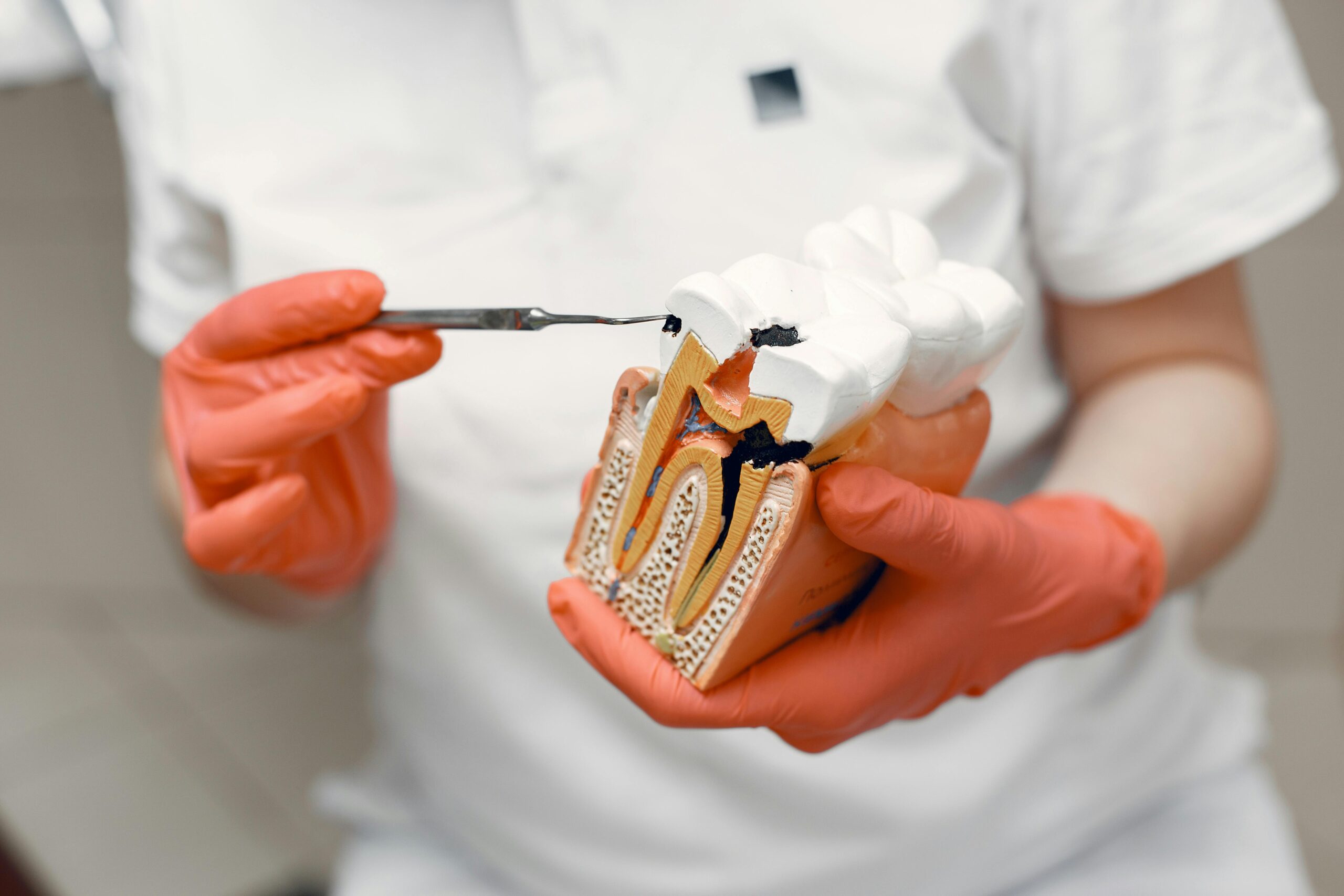
Plaque, a sticky layer of bacteria, builds up on your teeth and starts to decay. When you eat foods that are high in sugar or starch, these bacteria eat them and make acids. These acids make the enamel layer weaker and break it down. The enamel gets softer, thinner, and more fragile over time. If the damage keeps going, it gets to the dentin, which is the inner layer. This makes the teeth sensitive and painful. Most people don’t know that early decay is happening because it doesn’t cause serious symptoms. This is why it’s so important to spot early warning signs.
Early Signs You Should Always Pay Attention To
Tooth decay usually starts without making any noise, but if you pay attention, you can see clear warning signs. White spots on your teeth are the most common early sign that you are losing enamel. These spots might also look like chalk or be rough. Another sign is being sensitive to cold, sweets, or cold air. This is because weakened enamel exposes the dentin. A mild toothache that comes and goes, bad breath, or a bad taste in your mouth can also be signs of early decay. Small holes or brown dots may show up later, which means that a cavity is starting to form. If you notice these signs early, you can get treatment right away and avoid serious damage to your teeth.
Everyday Things You Can Do to Stop Early Tooth Decay
To stop tooth decay, you need to make sure you do the same things every day. Brushing your teeth with fluoride toothpaste twice a day makes your enamel stronger and stops bacteria from growing. Flossing gets rid of plaque that brushing can’t reach between your teeth. After eating, rinsing your mouth with water helps get rid of food particles and acids. Limiting sugary snacks and drinks lowers the amount of acid and bacteria that are present. Drinking a lot of water, especially fluoridated water, is good for your teeth. If you make these habits a part of your daily life, they will stop decay from getting worse and protect your enamel naturally.
Professional Ways to Treat Early Tooth Decay
Dentists know a lot of good ways to stop early decay from turning into a cavity. Fluoride treatments are one of the most common and effective choices. They help stop early-stage decay and make weak enamel stronger. Dental sealants put a protective layer on the chewing surfaces to keep bacteria from growing. If the decay has gotten to the dentin, your dentist may suggest a small filling to stop it from getting worse. Going to the dentist regularly lets them find problems early and treat them quickly, which saves you from having to have more complicated and expensive procedures later.
Foods That Help Keep Your Teeth Healthy
A big part of keeping your teeth from decaying is what you eat. Calcium-rich foods like milk, cheese, and yogurt naturally make your teeth stronger. Apples and carrots are crunchy fruits and vegetables that make saliva flow, which helps get rid of bacteria. Antioxidants in green tea help get rid of plaque. Nuts, eggs, and leafy greens are good sources of minerals that help keep enamel healthy. If you don’t eat foods that are high in sugar and acid, your teeth will be safe from bacteria. Adding foods that are good for your teeth to your daily meals helps fight decay and makes your mouth healthier.
When Tooth Decay Gets Really Bad
If you don’t treat tooth decay in the early stages, it gets worse and harder to deal with. When decay gets deeper, the tooth may hurt a lot, have holes, dark spots, and be sensitive to hot or cold food. At this point, you may need crowns, root canals, or fillings. Severe decay can also cause infections that make the area around the tooth swell, cause a fever, or produce pus. The best way to avoid these problems is to find them early. If you have pain or swelling that doesn’t go away, see a dentist right away.
Final Thoughts
Cavities may not seem like a big deal at first, but they can quickly become a big problem if you don’t get them treated right away. If you notice the early signs, like white spots, mild sensitivity, or bad breath, you can do something about it before the decay gets worse. Good oral hygiene, a healthy diet, and regular visits to the dentist are all important things you can do to protect your enamel and stop decay. By brushing and flossing your teeth every day and being aware of warning signs, you can avoid cavities, painful treatments, and a bright, healthy smile.
Questions and Answers
1. Is it possible to reverse early tooth decay?
Yes. Fluoride treatments, good oral hygiene, and changes to your diet can stop early decay from turning into a cavity.
2. What is the first sign that a tooth is rotting?
The first signs of enamel weakening are usually white spots on the teeth or mild sensitivity.
3. Does tooth decay always hurt?
No. Regular dental check-ups are important because early decay usually doesn’t hurt.
4. How can I naturally stop my teeth from rotting?
Use fluoride toothpaste, floss every day, eat foods that are good for your teeth, drink a lot of water, and limit sugar.
5. When do I need to go to the dentist?
If you have sensitivity, white or brown spots, bad breath, or any other pain that doesn’t go away, you should see your dentist.