

Beginning
Many people don’t know how often they need to change their toothbrush, even though it is the most important tool for keeping their teeth clean. A toothbrush that looks normal on the outside may already be full of bacteria, have weaker bristles, and not clean as well. When the bristles wear down, they don’t get rid of plaque as well, which can cause cavities, gum irritation, and bad breath. To keep your teeth strong, clean, and healthy, you need to know when to get a new toothbrush. Dentists all agree that how well your toothbrush is working is a big part of how well you take care of your mouth.
The Suggested Time to Replace
Dentists all over the world say you should change your toothbrush every three months. This is the best time frame because the bristles get weaker with each use. After three months, the bristles become stiff and lose their ability to clean, which makes them less effective at getting rid of plaque and food particles. You might also be able to get bacteria back into your mouth every time you brush with an old toothbrush. If your toothbrush looks worn out before three months are up, it’s time to get a new one. Replacing your toothbrush regularly keeps your mouth clean and protects it from dental problems.
When to Get a New Toothbrush
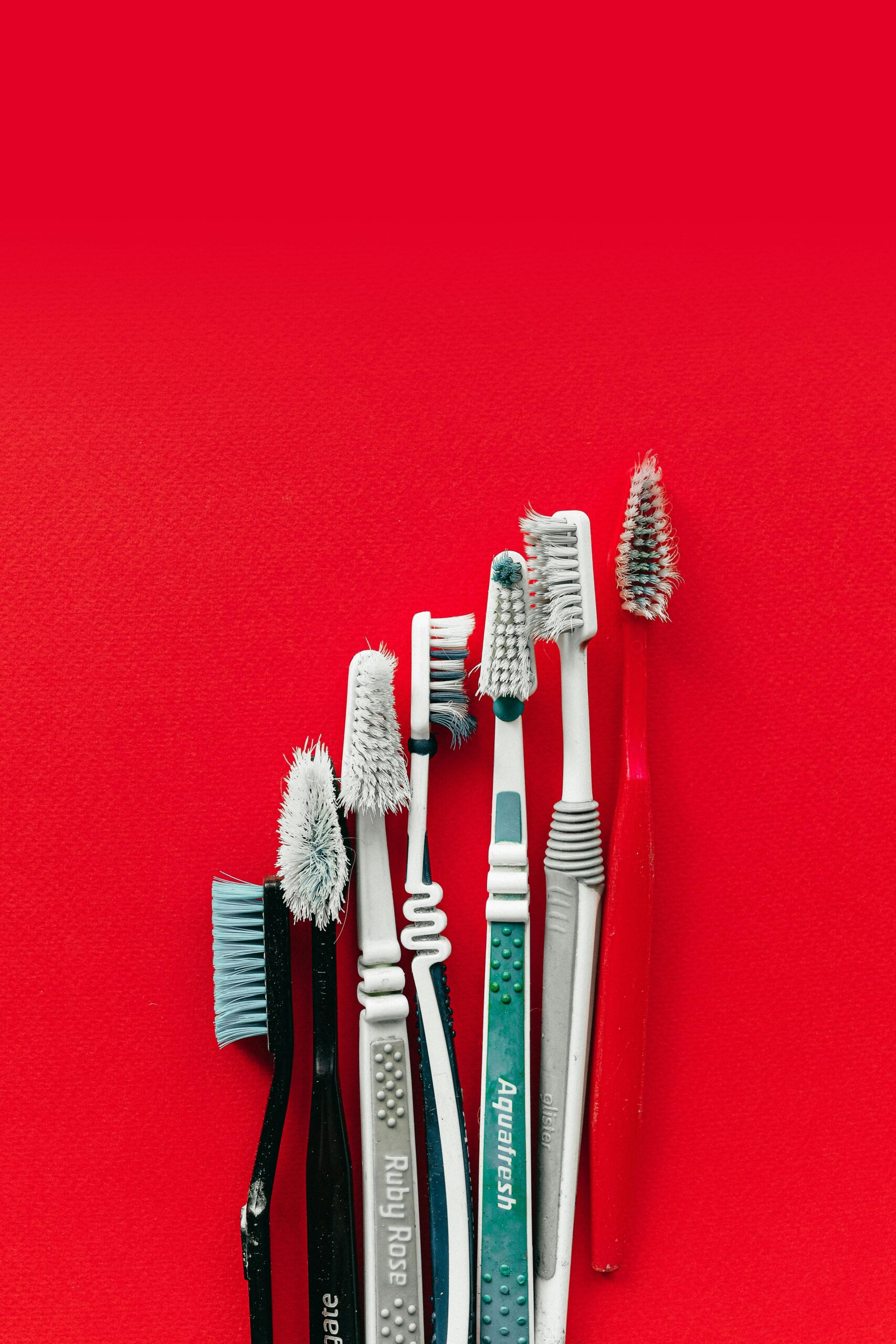
Your toothbrush will let you know when it’s time for a new one, even if you don’t count the weeks. Frayed or splayed bristles are the most common sign. If the bristles are rough or point out, they won’t clean your teeth well. Another sign is that the bristles are stained by toothpaste, bacteria, or food. If the toothbrush smells bad or feels sticky, it probably has bacteria on it. Because of the way they vibrate, the brush heads on electric toothbrushes may wear out faster, so it’s important to check them often. If your brush looks, smells, or feels different, it’s time to get a new one.
Why using an old toothbrush is bad for you
Using an old toothbrush can be very bad for your teeth and gums. Worn bristles can’t get to the spaces between your teeth and along the gumline, which causes plaque to build up. Plaque hardens into tartar over time, which can lead to gum disease, tooth decay, and bad breath. Old bristles can also hurt your gums because the edges get sharp. Also, bacteria build up in old toothbrushes. Every time you brush with a dirty brush, harmful bacteria get back into your mouth, which raises the risk of getting sick. Changing your toothbrush often is a simple and effective way to avoid these problems.
When You Should Change It Sooner
Three months is the usual time to change your toothbrush, but there are times when you need to do it sooner. If you’ve been sick, especially with the flu, a throat infection, or a stomach virus, you should get a new toothbrush right away after you get better. This keeps you from getting sick again because viruses and bacteria can live on bristles. People who brush hard may need to replace their toothbrush every month because it wears out faster. Kids also like to chew on their brushes, which makes the bristles wear out faster. It’s best to get a new toothbrush as soon as possible if you’ve dropped it on the floor or put it away wrong.
Choosing the Right Toothbrush to Make It Last Longer
The kind of toothbrush you choose can affect how long it works. Soft-bristled toothbrushes are best because they clean well without hurting your gums or enamel. Hard bristles wear down more quickly and can make gums recede. Electric toothbrushes with replaceable heads are useful because they clean evenly and have lights that tell you when it’s time to change the brush head. Look for bristles that are straight, bendable, and made of strong materials. Keeping your toothbrush upright in a place with good air flow will also help it last longer by stopping bacteria from growing.
In conclusion
Replacing your toothbrush often is a simple habit that is very important for keeping your mouth healthy. A new toothbrush will help you get rid of plaque, make your gums healthier, and clean your teeth better. The three-month replacement rule helps keep you safe from bacteria and dental problems, no matter what kind of toothbrush you use. To keep your oral hygiene routine strong and effective, pay attention to signs of wear, store your toothbrush properly, and choose the right type of toothbrush. Buying a new toothbrush is a small cost, but it will help your teeth stay healthy for a long time.
Frequently Asked Questions
1. What happens if I don’t change my toothbrush often enough?
Using an old toothbrush makes cleaning less effective, makes plaque build up faster, and puts you in contact with more bacteria, which can cause dental problems.
2. How often do you need to change the heads on electric toothbrushes?
Yes. You should also change the heads of your electric brush every three months or sooner if the bristles look worn.
3. Do I need to get a new toothbrush after being sick?
Yes, for sure. As soon as you feel better, replace it to avoid getting sick again.
4. 4. Is it true that brushing too hard can make the toothbrush wear out faster?
Yes. Brushing too hard bends and breaks bristles quickly, which makes the toothbrush less useful.
5. Is it better to pick a toothbrush with soft bristles?
Yes. Soft bristles clean well without hurting your gums or enamel, and they usually last longer.