

Beginning
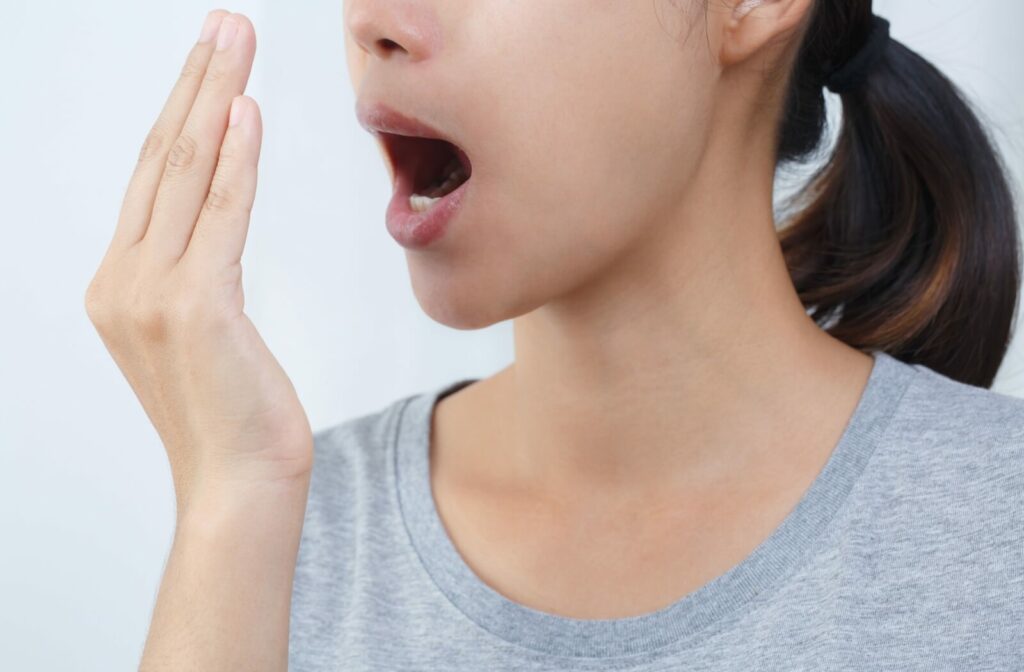
Halitosis, or bad breath, is a common problem that affects millions of people. It can be awkward, painful, and sometimes a sign of bigger problems with your mouth. Mouthwashes and gums may make your breath smell better for a short time, but they don’t get to the bottom of the problem. Most cases happen because of bacteria in the mouth, not brushing your teeth well, having a dry mouth, or what you eat. Fortunately, you can easily stop and control bad breath at home by making a few simple changes to your daily routine. This guide shows you how to keep your breath fresh, clean, and healthy without using harsh chemicals.
Every day, keep your mouth clean.
The key to having fresh breath is to take care of your mouth. Brushing your teeth twice a day gets rid of food particles and bacteria that make bad smells. Cleaning your tongue is also important because it collects dead cells, debris, and bacteria that cause bad breath. Flossing every day helps get food that gets stuck between your teeth that a toothbrush can’t reach. If you don’t floss, the particles that get stuck will break down and smell bad. Regular hygiene habits stop bacteria from building up and make your breath smell better naturally.
Drink plenty of water to avoid a dry mouth.
One of the main reasons for bad breath is having a dry mouth. Your saliva is very important for getting rid of bacteria and leftover food. Bacteria grow quickly and make bad smells when the mouth gets dry. Drinking a lot of water during the day helps keep your mouth moist and makes it easier to clean. Sugar-free gum also makes your mouth produce more saliva. Don’t do things like smoke, drink too much caffeine, or breathe through your mouth, as these can make dryness worse and cause bad breath.
Eat Foods That Naturally Clean Your Breath
Some foods can help your mouth stay cleaner and make your breath smell better. Fresh fruits and vegetables, like apples, cucumbers, carrots, and celery, naturally clean teeth and make more saliva. Mint, parsley, basil, and cloves are some herbs that have natural antibacterial oils that kill bacteria that cause odors. Eating yogurt with probiotics can help get rid of sulfur compounds that make your breath smell bad. Another good natural remedy is green tea, which has antioxidants that kill harmful bacteria. You can naturally keep your breath fresh for a long time by eating these foods.
Stay away from foods and habits that make your breath smell bad.
Even if you brush and floss your teeth well, some foods and habits can make your bad breath worse. When you eat garlic, onions, or spicy foods, they release strong sulfur compounds that stay in your blood and get to your lungs, where they smell bad. Sugary foods make bacteria grow, which makes bad breath worse. Alcohol makes your mouth dry and makes it easier for bacteria to grow. One of the worst things you can do is smoke because it dries out your mouth, stains your teeth, and leaves a bad smell that lasts a long time. Avoiding these things is a natural way to keep your breath fresh.
Use natural rinses and cures
You can make a number of natural rinses at home to help with bad breath. A saltwater rinse can help kill bacteria and calm down inflammation in the mouth. Baking soda and water mix together to make acidic places where bacteria that cause smells can’t grow. Coconut oil pulling gets rid of toxins, stops bacteria from building up, and makes your breath smell better. Fennel seeds and cardamom also have natural antibacterial properties, so chewing on them can help. These gentle treatments keep your mouth fresh for a long time without the harsh chemicals found in store-bought mouthwashes.
Make your gut and health better
Bad breath doesn’t always come from the mouth; it can also be a sign of problems in the gut or the whole digestive system. Bad breath that won’t go away can be caused by poor digestion, acid reflux, or an imbalance of bacteria in the stomach. Eating foods high in fiber, drinking enough water, and eating a balanced diet all help digestion and cut down on smell. Don’t eat heavy, greasy meals late at night because they slow down digestion and make your breath smell bad in the morning. Taking care of your gut health naturally makes your breath and overall health better.
When to Get Professional Help
If natural remedies don’t help your breath even after trying hard, you should probably see a dentist. If you have chronic bad breath, it could be a sign of gum disease, tooth decay, tonsil stones, or other health problems like diabetes or sinus infections. A dentist can figure out what’s wrong and suggest the best way to treat it. Regular visits to the dentist also help keep your mouth healthy and catch problems early. Most people do well with natural methods, but getting professional help makes sure they get all the care they need.
Final Thoughts
Bad breath can hurt your self-esteem, your relationships, and your quality of life, but it’s usually easy to deal with using simple natural methods. You can keep your breath fresh all day by brushing your teeth, drinking plenty of water, eating healthier foods, and avoiding habits that make your breath smell bad. Natural rinses and remedies can help, and fixing gut health can help with the internal causes of bad breath. You can get long-lasting freshness and better oral hygiene at home naturally if you take care of your teeth regularly. A dentist can help find and treat the root cause of the problem if it keeps happening.
Frequently Asked Questions
1. What is the main reason for bad breath?
Poor oral hygiene or a dry mouth can cause bacteria to build up in the mouth, which is the main cause.
2. Does drinking water really help with bad breath?
Yes, drinking enough water increases the flow of saliva, which naturally cleans the mouth and gets rid of bad smells.
3. Are natural remedies better than mouthwash?
Natural remedies can work just as well and be easier on the body, especially if you use them for a long time.
4. What foods help get rid of bad breath?
For fresher breath, try mint, parsley, apples, celery, yogurt, or green tea.
5. Does not eating cause bad breath?
Yes, fasting makes the body produce less saliva, which makes the mouth dry and the smell stronger.
6. How long does garlic breath last after eating it?
The smell of garlic can last for hours because it gets into the blood and lungs.
7. Should I go to the dentist if I have bad breath all the time?
If natural methods don’t work, yes, you should see a dentist to see if you have gum disease or another health problem.